Ultimate Guide: Better Your Health at Any Age
February 04, 2026 / By James

Ultimate Guide: Better Your Health at Any Age
Here’s the thing about health – it’s never too late to start, and it’s never too early either. Whether you’re twenty-something and invincible or pushing sixty and feeling every year, your body’s got this amazing ability to bounce back when you give it what it needs. I’ve seen people transform their lives at seventy just as dramatically as those who got their act together in their twenties.
The beauty of focusing on your health is that small changes compound over time. You don’t need to overhaul everything overnight. In fact, that’s usually a recipe for burnout and giving up entirely. Instead, let’s talk about sustainable ways to feel better, move better, and live better – no matter what decade you’re in.
The Foundation: Sleep Like Your Life Depends on It
You’ve probably heard this a million times, but sleep really is the cornerstone of everything else. When you’re not getting quality rest, your body can’t repair itself properly, your brain feels foggy, and your willpower goes out the window. It’s like trying to build a house on quicksand.
Here’s what actually works: aim for seven to nine hours, but more importantly, make it consistent. Your body loves routine more than you might think. Try going to bed and waking up at the same time every day – yes, even on weekends. I know, I know, it sounds boring, but your future self will thank you.
Create a wind-down ritual that signals to your brain it’s time to shut down. Maybe it’s reading a few pages of a book, doing some gentle stretches, or just sitting quietly for ten minutes. The key is consistency and keeping screens out of the bedroom. Your phone can survive the night in another room, trust me.
Temperature matters more than most people realize. Your body naturally drops its core temperature as bedtime approaches, so keeping your bedroom cool – around 65-68°F – can help trigger this natural sleep response. Blackout curtains or an eye mask can also make a significant difference, especially if you live in an area with street lights or early sunrise.
If you’re struggling with racing thoughts at bedtime, try the “brain dump” technique. Keep a notebook by your bed and write down everything that’s on your mind – tomorrow’s to-do list, worries, random thoughts. Getting them out of your head and onto paper can help quiet your mind for sleep.

Movement That Doesn’t Feel Like Punishment
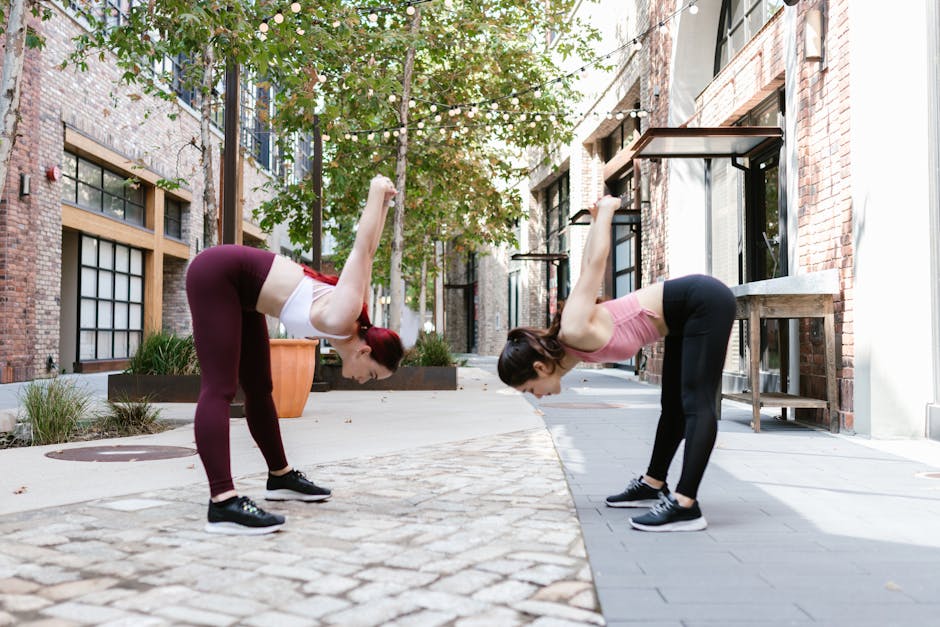
Let’s get real about exercise for a minute. You don’t need to become a gym rat or run marathons to be healthy. The best exercise is the one you’ll actually do consistently. If you hate running, don’t force yourself to run. If lifting weights feels intimidating, start with bodyweight exercises at home.
The magic number is about 150 minutes of moderate activity per week. That breaks down to just over 20 minutes a day. You could walk briskly, dance in your living room, garden, play with your kids, or take the stairs instead of the elevator. It all counts.
Strength training becomes increasingly important as we age, especially after thirty when we start losing muscle mass. But don’t panic – you don’t need fancy equipment. Push-ups, squats, lunges, and planks can be done anywhere and they’re incredibly effective. Start with what you can do, even if it’s just two or three exercises twice a week.

Eating Well Without Going Crazy
Nutrition doesn’t have to be complicated, despite what the internet might tell you. The basics are pretty straightforward: eat more whole foods, drink plenty of water, and don’t stress too much about perfection.
Think of it this way – if your great-grandmother wouldn’t recognize it as food, maybe eat less of it. That doesn’t mean you can never have processed foods, but they shouldn’t make up the bulk of your diet. Fill half your plate with vegetables, add some protein, include healthy fats, and you’re most of the way there.
Meal prep can be a game-changer, but it doesn’t have to be elaborate. Even washing and chopping vegetables when you get home from the grocery store makes eating well during busy weekdays so much easier. You’re gonna be way more likely to grab an apple if it’s already washed and sitting right there.
Hydration is huge and often overlooked. Your body is roughly 60% water, and even mild dehydration can affect your energy, mood, and cognitive function. Keep a water bottle handy and sip throughout the day. If plain water bores you, add some lemon, cucumber, or mint.

Managing Stress Before It Manages You
Chronic stress is like a slow leak in your health bucket. It affects everything – your immune system, your sleep, your digestion, your relationships. The tricky part is that we often don’t realize how stressed we are until we’re really struggling.


Finding healthy ways to manage stress is crucial at any age. This might look different for everyone. Some people find meditation helpful, others prefer journaling, and some need physical activity to blow off steam. The key is having multiple tools in your toolkit.
Deep breathing is probably the most underrated stress-buster out there. When you’re feeling overwhelmed, try the 4-7-8 technique: breathe in for four counts, hold for seven, and exhale for eight. It’s simple, free, and you can do it anywhere without anyone noticing.
Don’t underestimate the power of saying no. Your time and energy are finite resources. Learning to set boundaries isn’t selfish – it’s necessary for maintaining your health and sanity.

Building Connections That Matter
Social connections are as important for your health as diet and exercise. Loneliness and isolation have been linked to increased risk of heart disease, depression, and cognitive decline. But quality matters more than quantity when it comes to relationships.
Make an effort to maintain meaningful connections with family and friends. This might mean scheduling regular phone calls, planning get-togethers, or simply being more present when you’re with people. Put the phone down and actually listen.
If you’re feeling isolated, consider joining groups or activities that align with your interests. Volunteering, taking classes, joining sports leagues, or participating in community events can be great ways to meet like-minded people.

Preventive Care: Your Future Self’s Best Friend
Regular check-ups might not be exciting, but they’re one of the smartest investments you can make in your health. Many serious conditions are much more treatable when caught early. Don’t wait until something’s wrong to see a healthcare provider.
Keep track of your family health history and share it with your doctor. Know your numbers – blood pressure, cholesterol, blood sugar. These aren’t just numbers on a chart; they’re important indicators of your overall health.
Don’t ignore mental health either. If you’re struggling with anxiety, depression, or just feeling off, reach out for help. Mental health is health, period. There’s no shame in getting support when you need it.

Age-Specific Considerations
While the fundamentals of health remain the same throughout life, different decades bring different priorities. In your twenties and thirties, building healthy habits and managing stress from career and family pressures is key. Your forties and fifties might focus more on hormone changes and preventing chronic diseases. Later decades often emphasize maintaining independence and cognitive function.
The good news? It’s never too late to start. Studies show that people who begin exercising in their sixties and seventies still see significant health benefits. Your body wants to be healthy and will respond positively to good care at any age.
Making It Sustainable
The biggest mistake people make is trying to change everything at once. Pick one or two areas to focus on first. Maybe it’s drinking more water and taking a daily walk. Once those become habits, add something else.
Remember that setbacks are normal and expected. You’re gonna have days when you eat poorly, skip workouts, or feel stressed. That’s life. The key is getting back on track without beating yourself up about it.

Health isn’t a destination – it’s an ongoing journey. Be patient with yourself, celebrate small wins, and remember that taking care of your health is one of the best gifts you can give yourself and the people who care about you. Your future self is counting on the choices you make today.


Categories: Reviews